The Problem: Managing Search Structure across a Jewelry Catalog
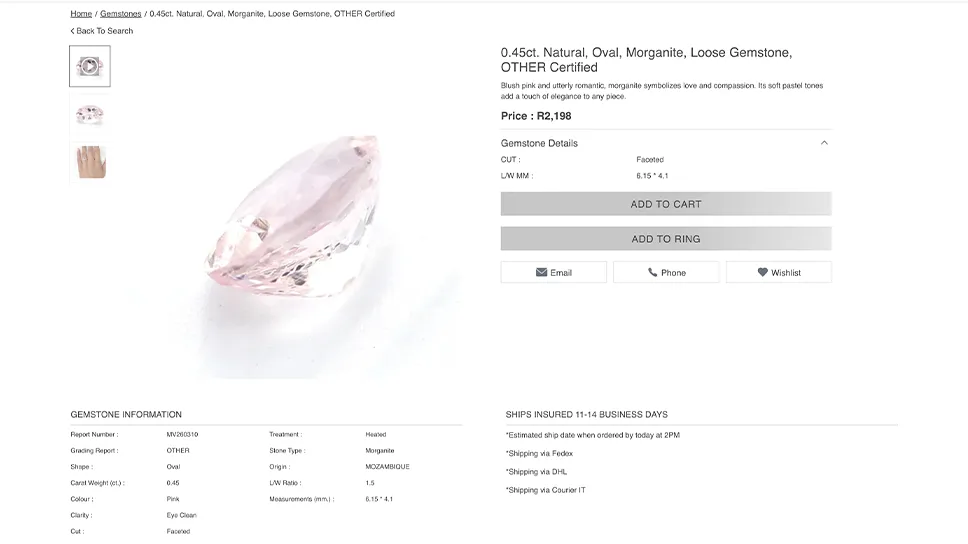
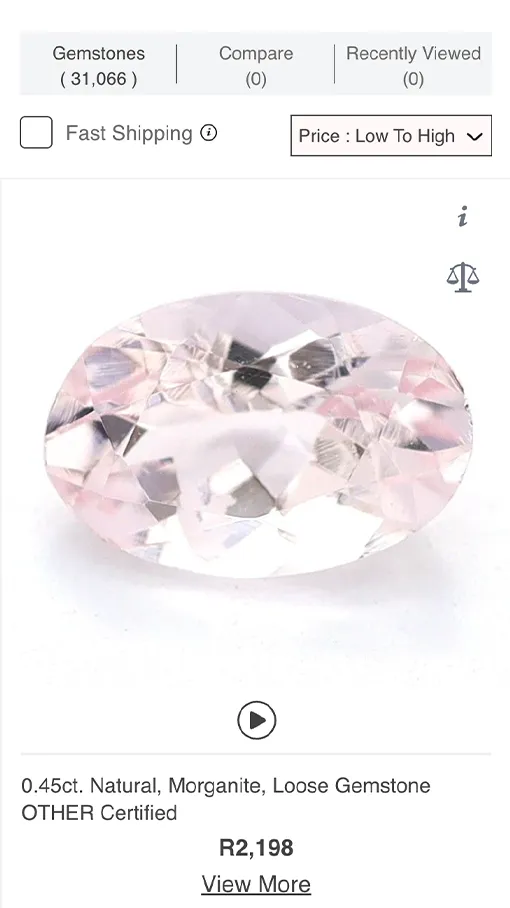
The website requirements covered several kinds of shopping: loose diamonds and gemstones, diamond and gemstone ring builders, pendant builders, a diamond earring builder and ready-to-wear jewelry.
That range created different page types and routes through the catalog. The technical SEO work needed to address how those pages were reached and how related versions were identified.
An April 2026 audit identified duplicate page titles and URL variants. Separately, development work addressed redirects, including a redirect loop.
These were specific technical issues. A visitor could encounter a problem reaching a destination, while closely related pages could carry the same title or appear under different addresses.
The project therefore required work on both navigation between addresses and the information contained within the page templates.
Technical SEO for Jewelry Websites: Fixing Redirect Behavior
TPS added redirect rules and corrected a redirect loop.
The loop was a concrete navigation problem: an address sent a request through redirects that led back around instead of reaching the intended page. Correcting that behavior addressed the affected route through the website.
The redirect additions dealt with other address changes. This work connected particular incoming URLs with their intended destinations.
For Cape Diamonds, these were part of maintaining a usable website as its pages and catalog structure developed. The work required attention to the actual addresses involved, rather than treating redirects as a single setting applied to the whole store.
This also kept the task focused. The issue was the behavior of specific routes, and the development work addressed those routes.
- RedirectsReach the intended page
- CanonicalsIdentify the preferred URL
- Headings and metadataDescribe the page
Canonical URLs, Headings and Metadata across Builder Pages
TPS also worked on canonical handling, H1 headings and metadata across the builder modules.
These elements had different roles. The canonical URL identified the preferred address for a page. The heading introduced its subject to the reader, while the metadata provided information used to describe the page.
Working across builder modules brought attention to the repeated page structures used by the catalog. A template-level change could affect a group of related pages, so the work needed to account for the module in which it appeared.
The audit’s duplicate-title and URL-variant findings added further context. They identified page patterns that needed examination, alongside the redirect and template work carried out during the engagement.
The audit and implementation work took place at different points. Together, they covered the relationship between how pages were addressed, how they were described and how requests reached them.
Bringing Jewelry Development and SEO Work Together
The website’s jewelry features gave this technical work its context.
A store with loose-stone listings and custom builders has several ways for customers to explore products. Search-related settings need to account for those actual page types rather than apply the same treatment to every screen.
TPS’s work crossed that boundary between development and SEO. Redirect corrections involved the handling of page requests. Canonical, heading and metadata changes involved the templates producing the pages themselves.
This made the work more specific than changing a few words in a page title. It involved the website structure supporting the catalog and its builder modules.
The audit provided additional examples for review, including repeated titles and alternative URLs. Those findings helped describe the technical questions at page level.
The Outcome: Specific Corrections to Redirects and Page Templates
TPS completed redirect additions and a redirect-loop correction. Work on the builder modules also covered canonical handling, H1 headings and metadata.
The outcome was a set of defined technical changes to the website’s routing and page templates. The engagement addressed particular problems in how pages were reached and represented.
This gives the case study a practical focus: SEO work for a jewelry website can require changes within the website itself, especially where custom builders and multiple catalog paths are involved.
Explore the Cape Diamonds website.
Need technical SEO support for a jewelry website? Talk to TPS about your catalog, builder pages and existing URL structure. We can help identify the issues and connect each one with a specific development task.
A closer look